Neurosecurity: When the Brain Becomes a Battlespace
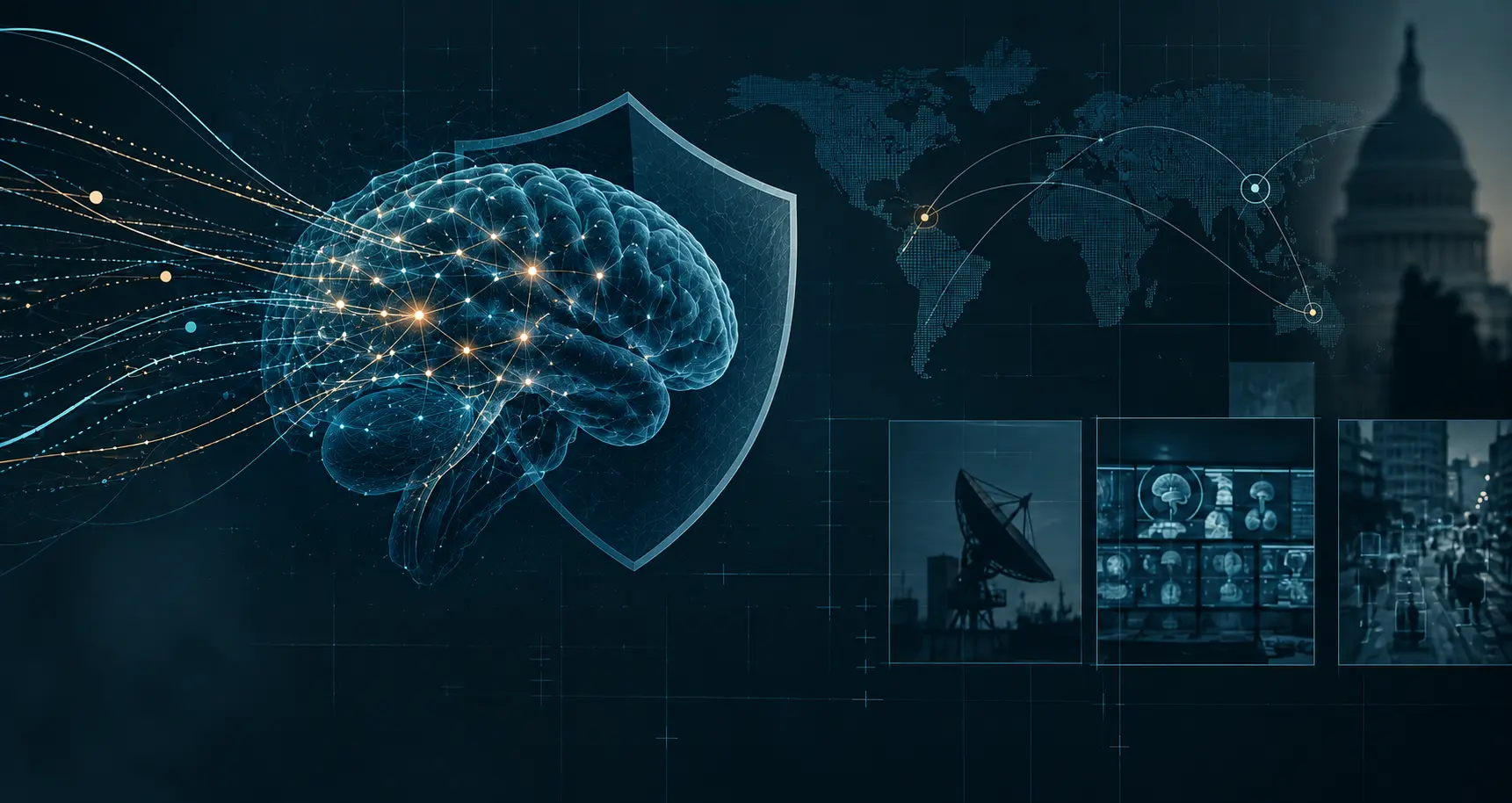
From Mind Wars to modern brain-computer interfaces, AI-enabled influence, neuromodulation, and cognitive warfare: what is real, what is emerging, and what remains speculation?
Read article →Measurement, interfaces, stimulation
EEG, BCI, fNIRS, TMS, tES, neurofeedback, psychophysiology, and experimental response and synchronization systems.

From Mind Wars to modern brain-computer interfaces, AI-enabled influence, neuromodulation, and cognitive warfare: what is real, what is emerging, and what remains speculation?
Read article →
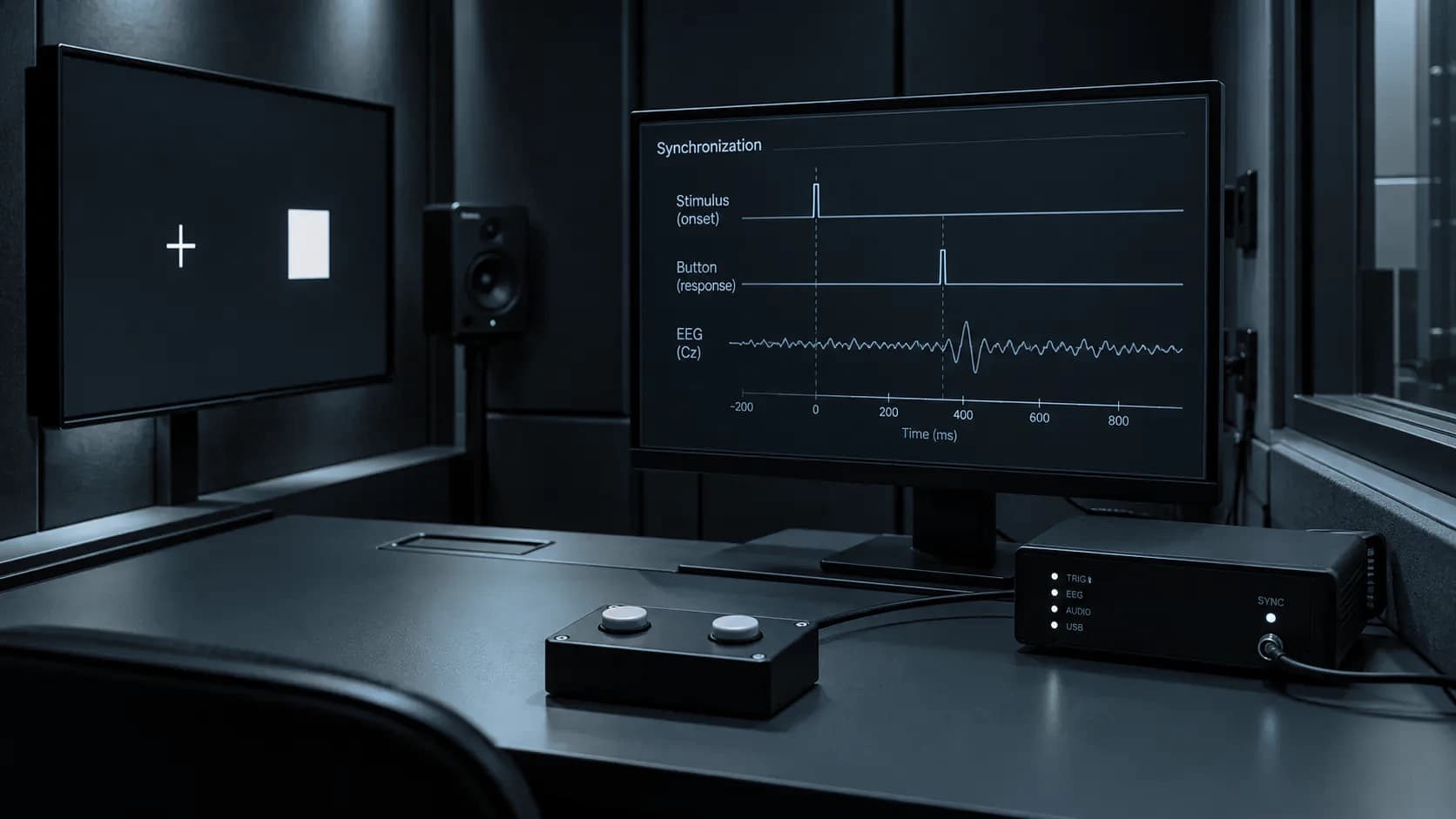
Neuroscience experiments need more than biological recording: they also need an accurate account of when each stimulus appeared, when the participant responded, and how those events align with signals collected by different devices. Response hardware, event markers and synchro…
Read article →
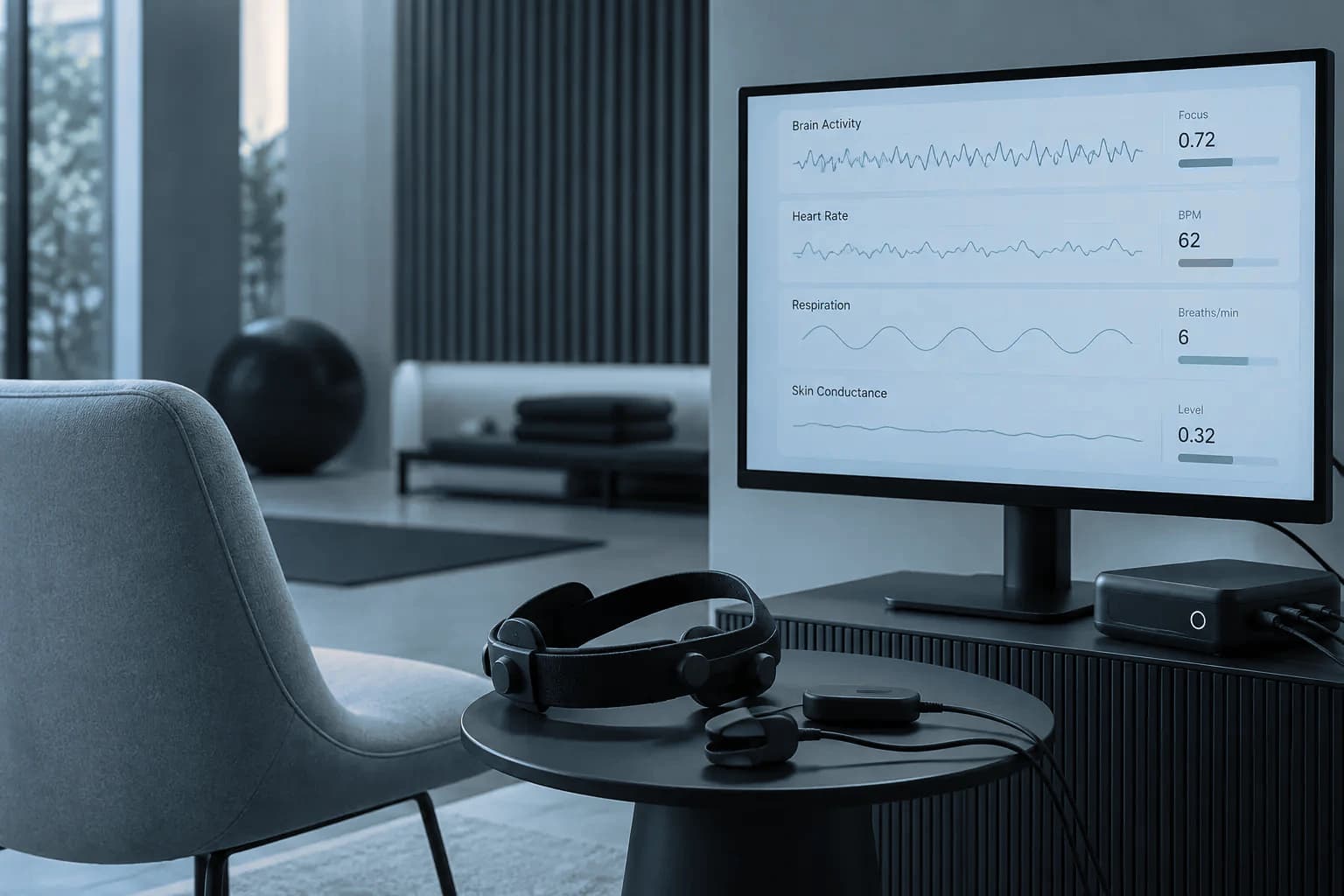
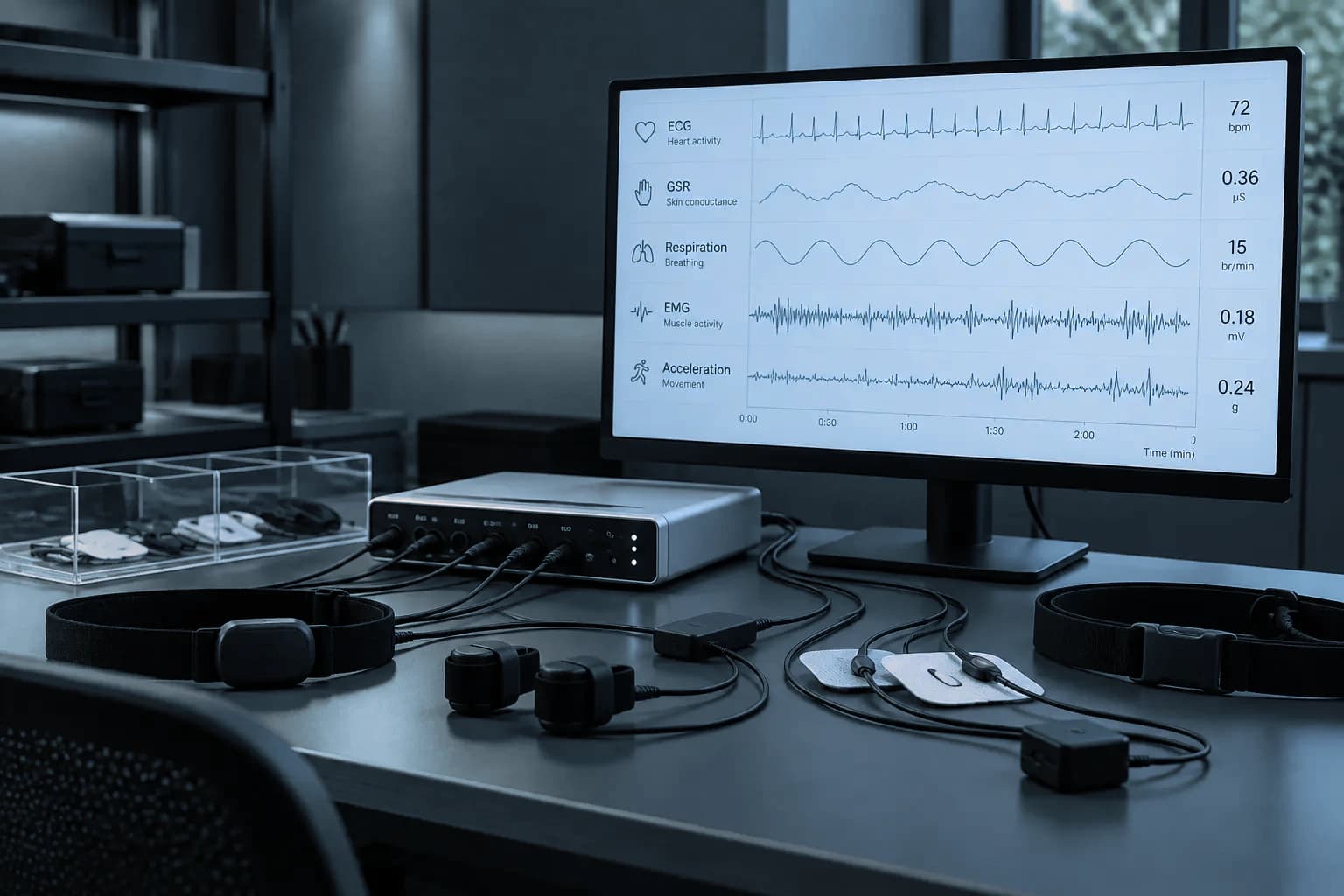
Psychophysiology studies relationships between psychological processes and measurable physiological changes. Modern systems can record cardiac activity, electrodermal activity, respiration, muscle activity, temperature and, when relevant, brain signals in synchronized experime…
Read article →
Biofeedback measures a physiological signal and presents information about that signal to the participant in real time, with the aim of supporting learned self-regulation. Neurofeedback is a form of biofeedback in which the feedback is derived from brain activity, most often E…
Read article →
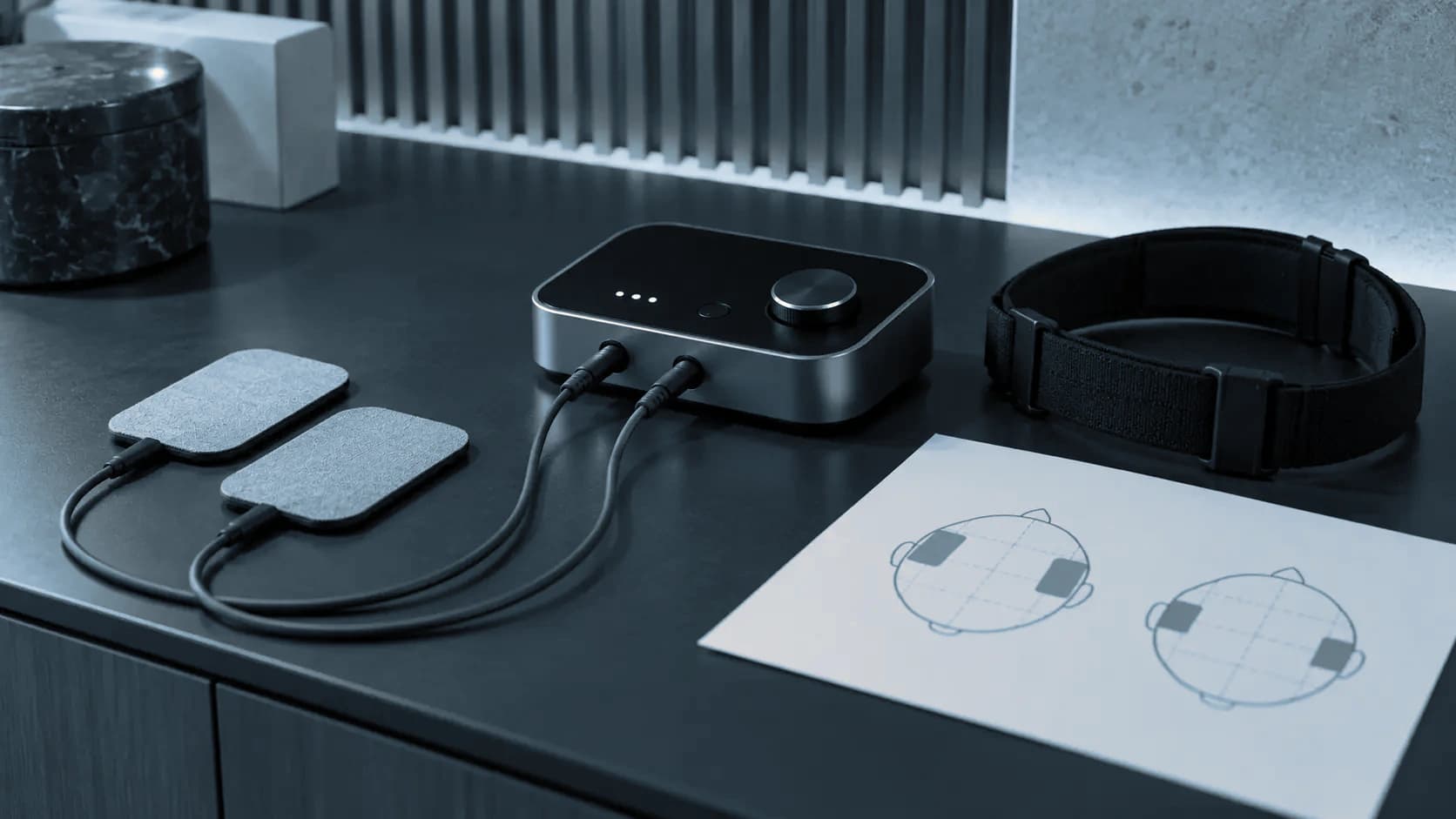
Transcranial electrical stimulation (tES) is a family of non-invasive methods that apply low-intensity electrical current through scalp electrodes. tDCS uses direct current, while other variants include alternating current (tACS), random-noise stimulation (tRNS) and newer patt…
Read article →
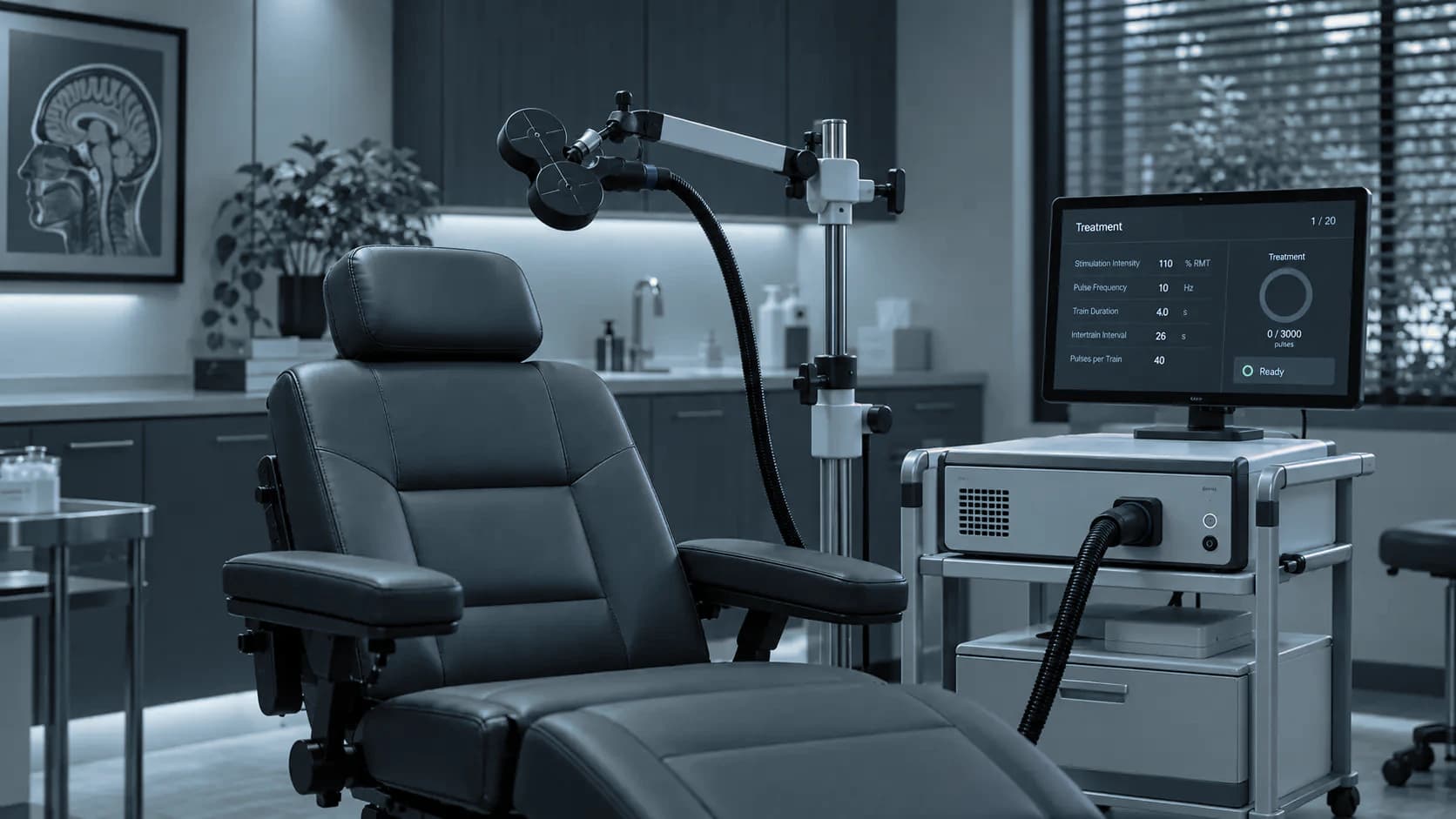
Transcranial magnetic stimulation uses a rapidly changing magnetic field generated by a coil outside the head to induce an electric field in cortical tissue. Depending on protocol and target, TMS can probe cortical function, map motor or language systems, measure excitability,…
Read article →
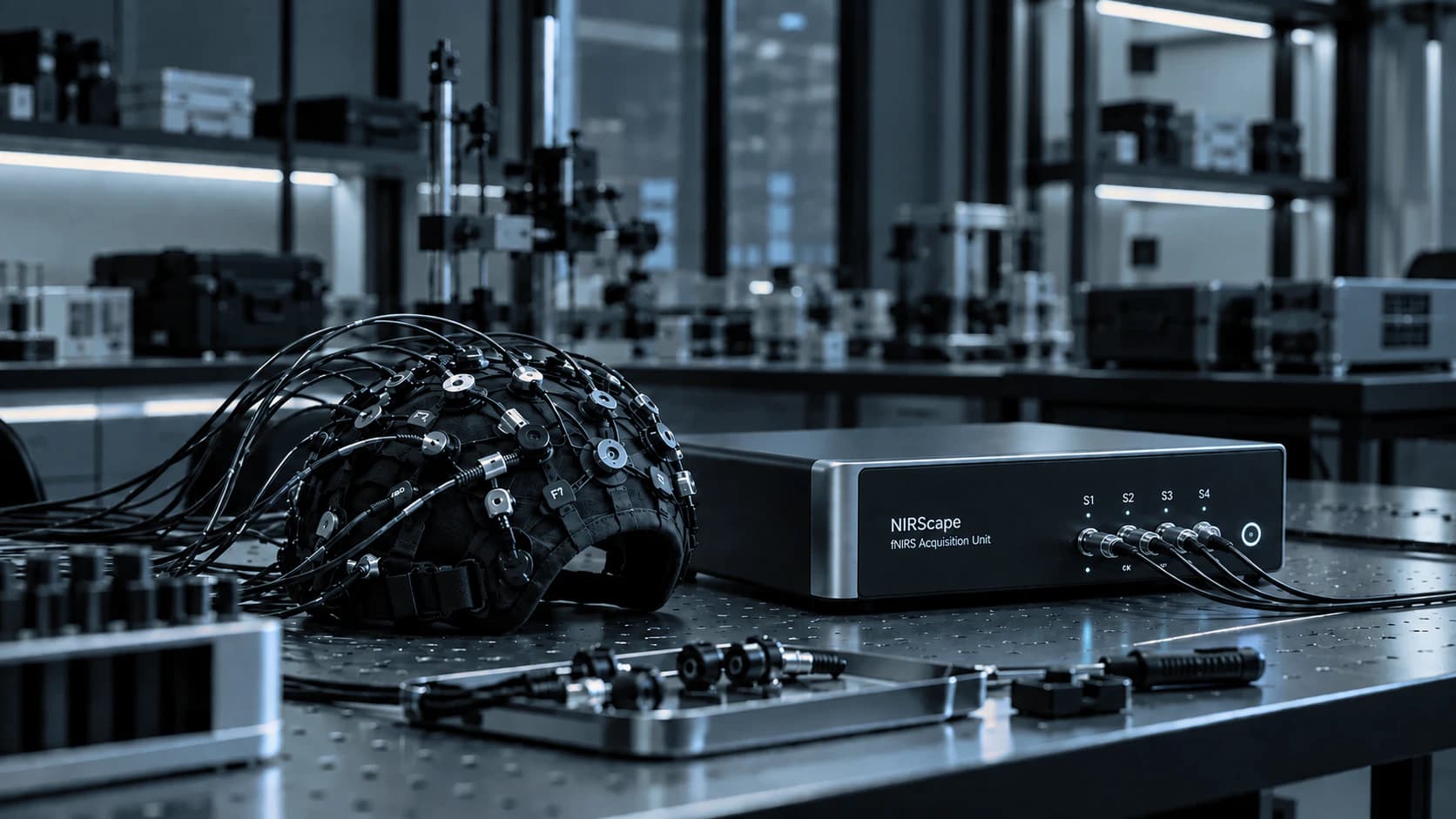
Functional near-infrared spectroscopy is a non-invasive optical method that estimates relative changes in oxygenated and deoxygenated haemoglobin using near-infrared light. Portable systems make it possible to study cortical haemodynamics in settings where MRI is impractical o…
Read article →
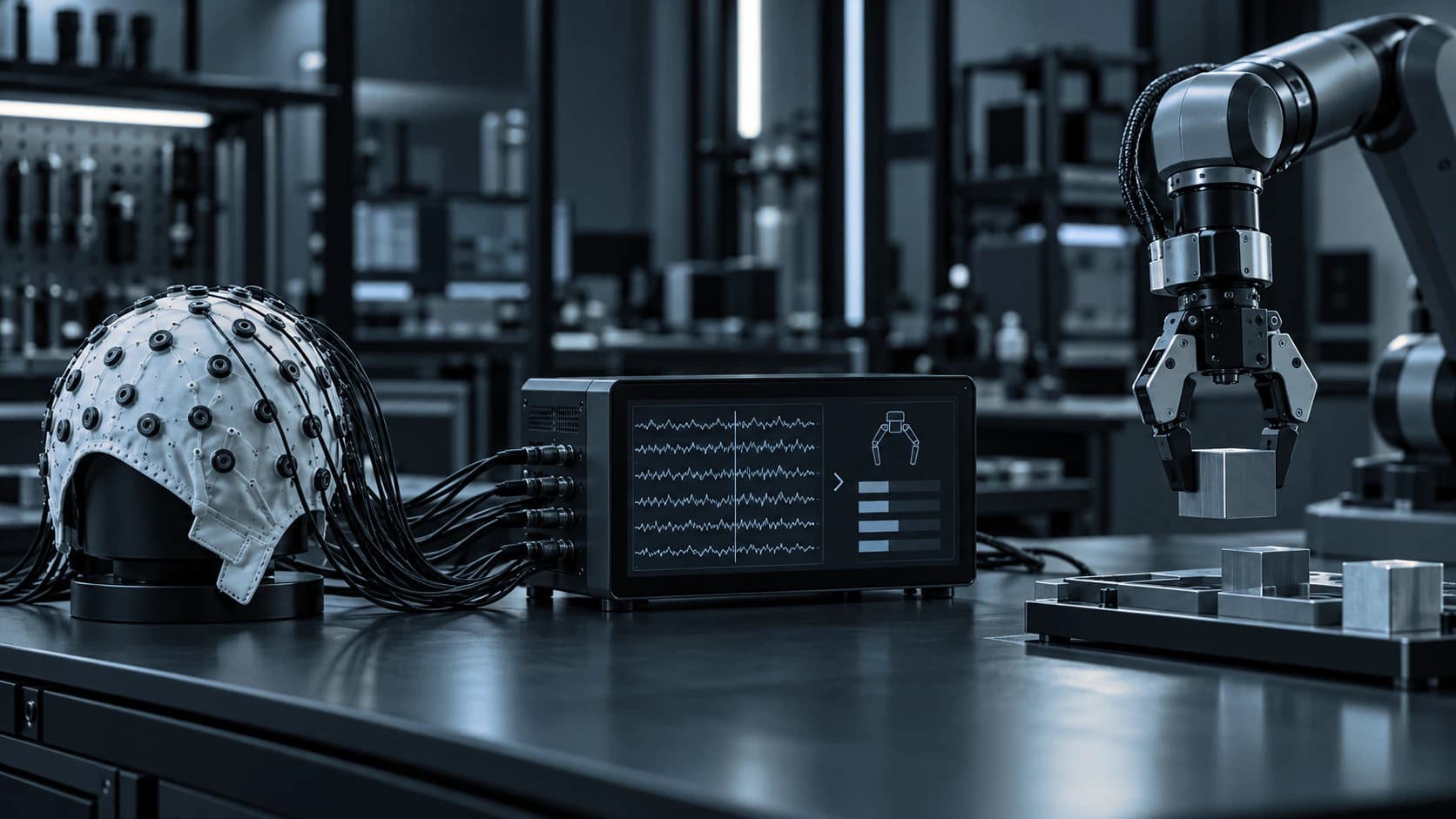
A brain–computer interface measures central nervous system activity and translates it into an artificial output that can communicate, control a device, or provide feedback without relying entirely on the usual peripheral motor pathway. Modern BCIs range from communication syst…
Read article →
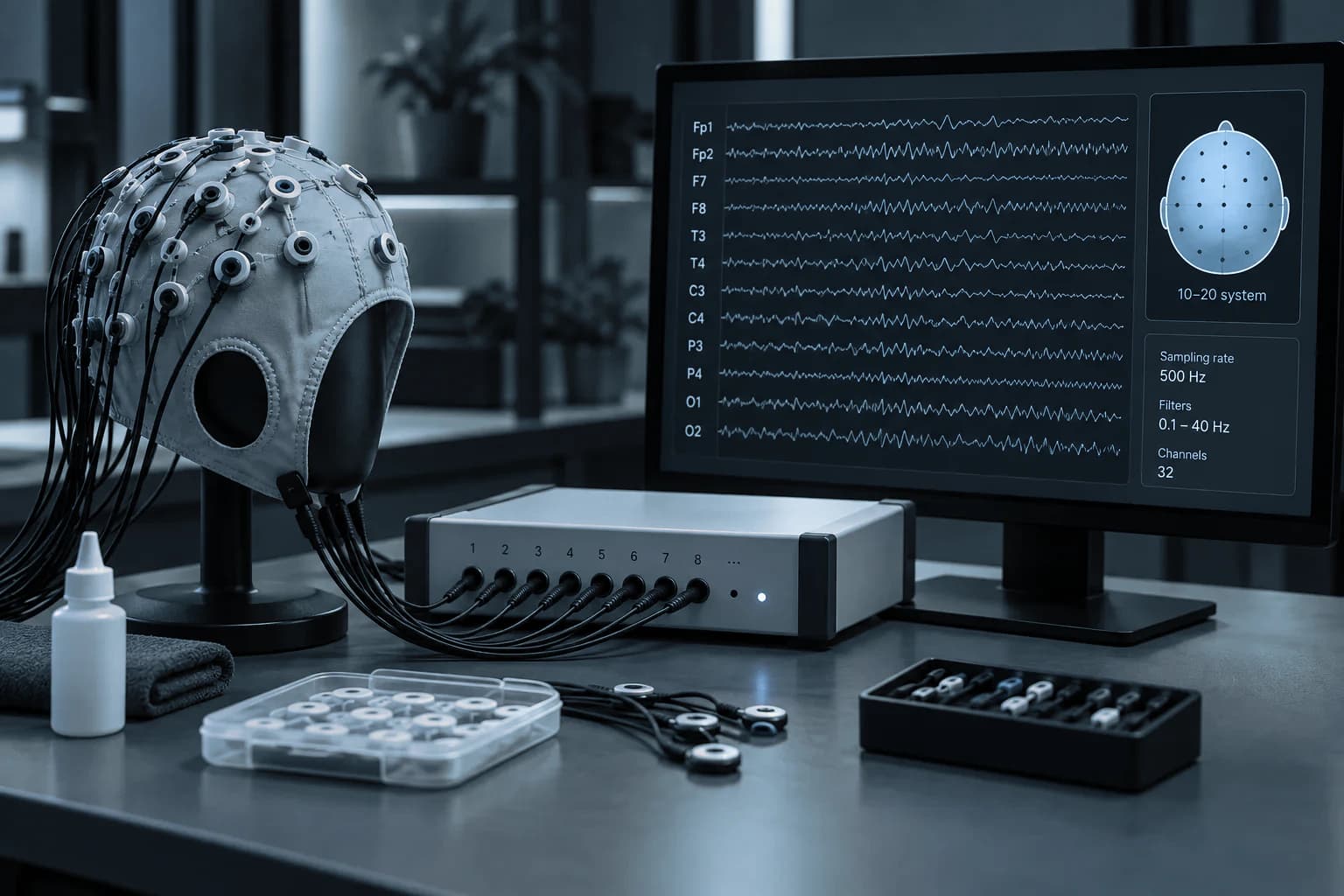
Electroencephalography records voltage differences at the scalp that reflect the summed electrical activity of large neuronal populations. Its defining advantage is temporal resolution: EEG can follow brain dynamics on the scale of milliseconds, which makes it central to clini…
Read article →
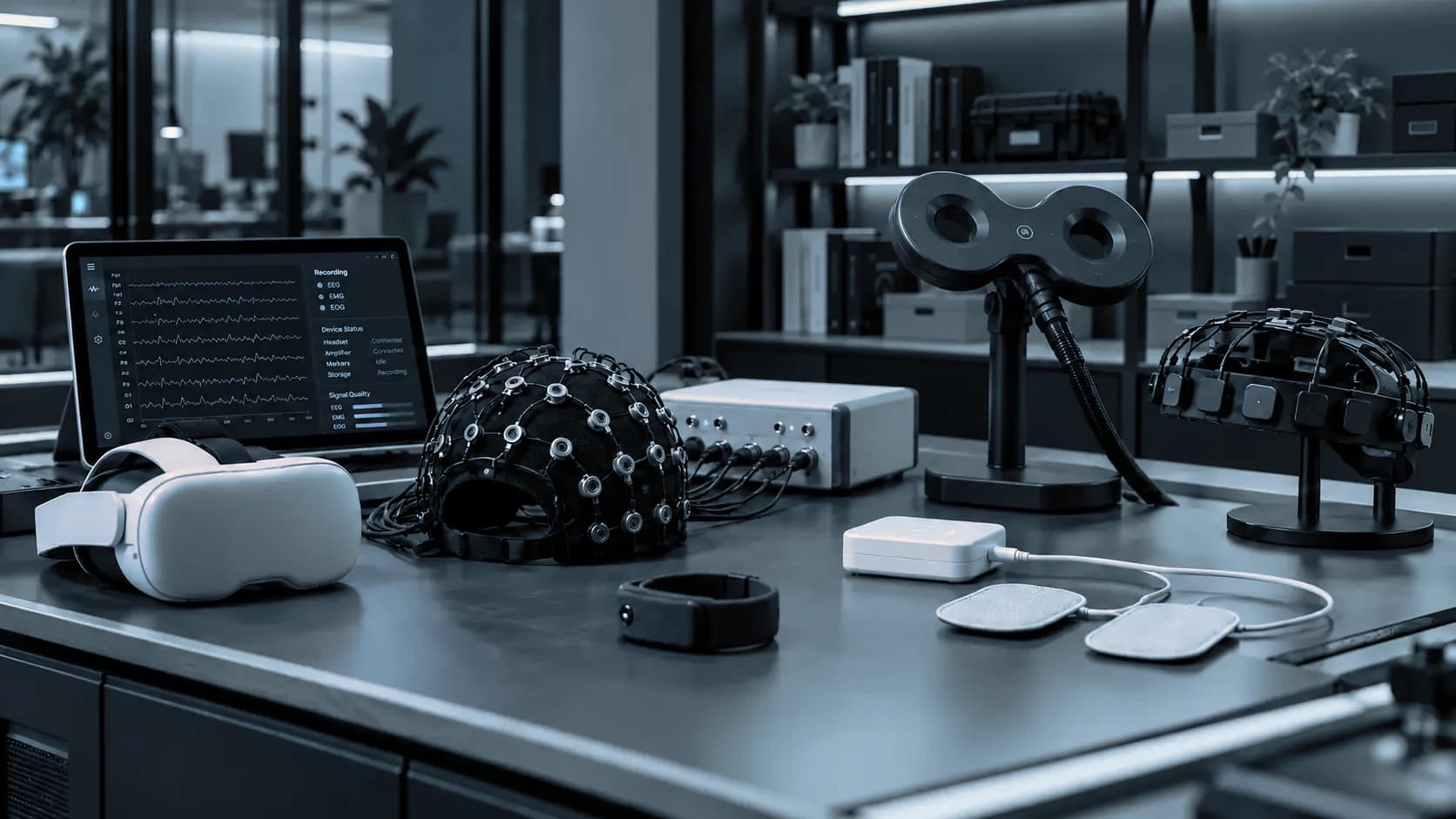
Neurotechnology is an umbrella term for tools that measure nervous-system activity, translate neural signals into useful outputs, provide feedback, or influence neural activity. The field ranges from established clinical technologies such as EEG and TMS to rapidly developing r…
Read article →